
What Is Instrumentation Analytics?
A pressure transmitter that drifts by a small margin may not trigger an alarm. It may still be enough to affect process stability, product quality, energy use, or maintenance decisions. That is where the question what is instrumentation analytics becomes practical, not theoretical. In industrial and commercial operations, it is the disciplined review of instrumentation data to identify trends, verify performance, and support better technical and operational decisions.
What is instrumentation analytics in practical terms?
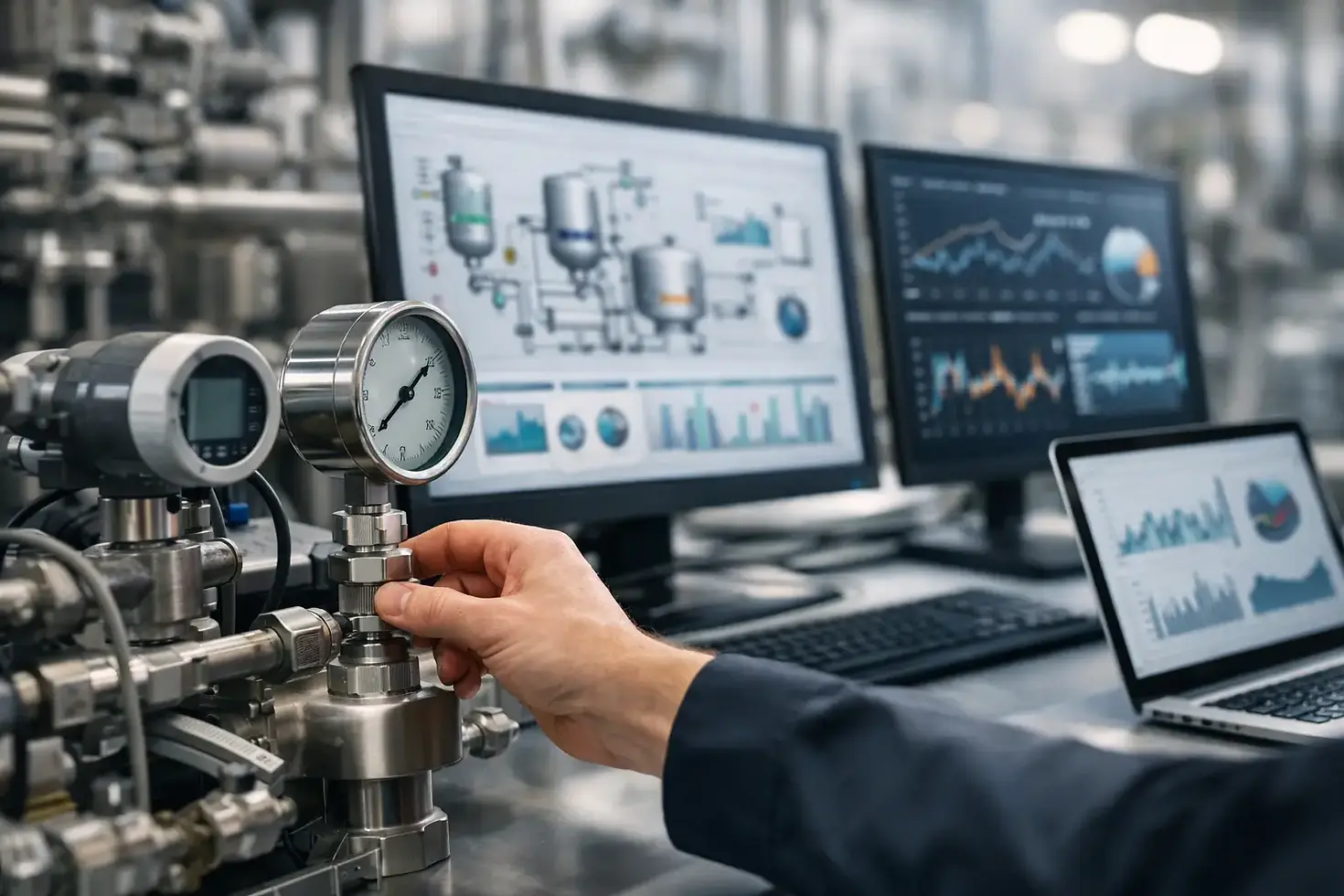
Instrumentation analytics is the process of collecting, reviewing, and interpreting data from field instruments, control systems, and related assets to evaluate how equipment is performing over time. That can include transmitters, sensors, analyzers, control valves, PLC inputs, alarms, calibration records, loop data, and operating trends.
The goal is not simply to gather more data. The goal is to use available information to detect issues early, improve reliability, confirm measurement accuracy, and support safer, more efficient operation. When done properly, instrumentation analytics helps teams move from reactive troubleshooting to informed planning.
In a plant environment, this often means looking beyond a single fault. A failed reading matters, but so does gradual signal drift, repeated nuisance alarms, unstable control loops, valve response problems, or discrepancies between process conditions and instrument feedback. Each of those patterns can point to a larger issue that affects uptime and compliance.
Why instrumentation analytics matters
Most facilities already generate significant amounts of data. The challenge is that raw data alone does not protect production. Without proper review, critical information stays buried in historian records, maintenance logs, control system events, or calibration documentation.
Instrumentation analytics turns those records into something useful. It helps operations and maintenance teams answer questions such as whether an instrument is truly faulty, whether a process upset is recurring, whether a loop is tuned appropriately, or whether an asset is approaching failure.
This matters for three reasons. First, measurement accuracy directly affects process control. If field devices are not reading correctly, operators are making decisions on bad information. Second, poor instrument performance can lead to unnecessary downtime, excess maintenance, and repeated callouts. Third, in regulated or safety-sensitive environments, weak instrumentation performance can create compliance and risk exposure that extends far beyond a single device.
For owners and managers, the value is straightforward. Better analytics supports better maintenance planning, fewer surprises, and a clearer view of asset condition.
What data is typically analyzed?
The exact scope depends on the facility, but instrumentation analytics usually pulls from several sources. Process values such as pressure, temperature, flow, and level are a starting point. Calibration histories add another layer by showing drift rates, repeat failures, and as-found versus as-left conditions.
Control system data is equally important. Alarm frequency, event logs, loop response, output cycling, and communication faults often reveal issues that are not obvious during a single site visit. Maintenance work orders can also provide useful context, especially when repeated repairs are tied to the same device, panel, environment, or process condition.
In some cases, environmental and electrical factors are part of the analysis. Power quality issues, grounding faults, moisture ingress, vibration, impulse line problems, or enclosure conditions can all influence instrument behaviour. Good analytics does not isolate the instrument from the rest of the system. It looks at the full operating context.
How instrumentation analytics is used in the field
A common use case is identifying calibration intervals that no longer match actual performance. Some instruments remain stable well beyond their current service frequency, while others drift faster due to process conditions, vibration, or age. Reviewing calibration data helps establish whether intervals should stay the same, be shortened, or be extended where permitted by standards and site requirements.
Another use case is recurring process instability. A loop that appears to be a control problem may actually be an instrumentation issue. A sticky valve, noisy signal, poor impulse line installation, or degraded transmitter can all create instability that operators experience as a process problem. Analytics helps narrow the cause before unnecessary component changes are made.
It is also useful in troubleshooting intermittent faults. An instrument that fails only under certain loads, temperatures, or production conditions can be difficult to diagnose in real time. Trend analysis can show exactly when the issue occurs and what surrounding conditions are present. That improves troubleshooting efficiency and reduces repeat visits.
For facilities planning shutdowns or turnarounds, instrumentation analytics can support better scope definition. Instead of treating every device equally, teams can focus labour and materials where the data shows higher risk, repeated deviations, or declining performance.
Instrumentation analytics is not just software
One of the most common misunderstandings is that instrumentation analytics is mainly a software function. Software is part of it, but it is not the whole job. Dashboards and historian tools can display trends, but they do not replace field knowledge, code awareness, or instrument experience.
A meaningful analysis requires technical judgement. Someone has to determine whether a pattern reflects sensor degradation, process change, improper installation, control strategy issues, electrical noise, or maintenance history. That distinction matters because the corrective action is different in each case.
This is why instrumentation analytics works best when digital review is supported by qualified field inspection, testing, and verification. A trend may point to drift, but calibration confirms it. Alarm data may suggest a valve issue, but physical inspection identifies whether the problem is mechanical, pneumatic, electrical, or configuration-related.
The trade-offs and limits
Instrumentation analytics is valuable, but it is not a shortcut around proper maintenance. If devices are poorly installed, overdue for calibration, exposed to harsh conditions without protection, or undocumented from the start, analytics will only go so far.
It also depends on data quality. If tag naming is inconsistent, work orders lack detail, calibration records are incomplete, or control system data is unreliable, analysis becomes less precise. Facilities often need to improve documentation discipline before they can get full value from their data.
There is also an effort decision to make. Not every site needs a highly advanced analytics program. A smaller operation may benefit most from targeted trend reviews, alarm analysis, and calibration history assessment. A larger or higher-risk facility may justify deeper integration across maintenance, control, and reliability systems. The right level depends on operational complexity, regulatory exposure, and the cost of failure.
What good instrumentation analytics should deliver
When the work is done properly, the outcome should be clear and actionable. Teams should understand which devices or loops need attention, what the likely causes are, and what corrective steps are recommended. That may include recalibration, repair, replacement, retuning, environmental protection, wiring correction, or changes to maintenance intervals.
It should also improve confidence. Operators need confidence that readings are accurate. Maintenance teams need confidence that they are addressing root causes rather than symptoms. Management needs confidence that maintenance spending is tied to risk reduction and asset performance, not guesswork.
For many facilities, that confidence is just as valuable as the technical findings. In regulated and operationally critical environments, clarity supports better planning and better accountability.
Where this fits in a maintenance strategy
Instrumentation analytics is most effective when it supports a broader maintenance and reliability program. It should sit alongside calibration, inspection, preventative maintenance, troubleshooting, and repair, not apart from them.
That integrated approach matters because instruments do not fail in isolation. Their performance is tied to installation quality, electrical integrity, process conditions, environmental exposure, and maintenance practices. Reviewing data without connecting it to field execution creates gaps. Reviewing field work without using the available data misses opportunities.
For clients across industrial, oil and gas, and commercial environments, especially where uptime and compliance carry direct financial consequences, this is the real value of instrumentation analytics. It turns scattered technical information into practical direction for the people responsible for production, safety, and long-term asset performance.
At Spectrum Electrical and Instrumentation Services Limited, that principle aligns with how technical work should be delivered - carefully reviewed, properly documented, and backed by qualified oversight. Data can point the way, but dependable results still come from disciplined execution in the field.
If your facility is collecting instrumentation data but still dealing with recurring faults, unstable loops, or unclear maintenance priorities, the right question is not whether you have enough information. It is whether that information is being interpreted in a way that helps you act before the problem becomes downtime.


Comments